How Does Swatting Affect More than Just the Intended Victims?
What is swatting? When you think of S.W.A.T. (Special Weapons Attack Team), one of the first things that comes to mind is a police response to a potentially dangerous situation. Unfortunately, “swatting” has become popular in recent years. In 2008 the FBI coined the term swatting after a series of falsely reported emergencies to local […]
Read More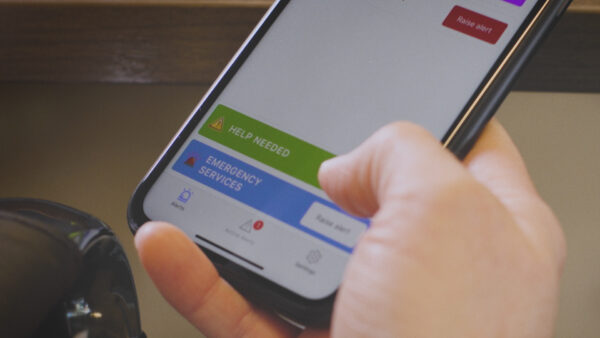
Panic Button for Gym
Gyms are an often-overlooked location for workplace violence. Because gym workers work with people from many walks of life, an incident response plan is a must. For this reason, a panic button from TeamAlert would be an essential supplement for any incident response plan. Why Use a Panic Button in a Gym? The reason for […]
Read More
Hesitation in Workplace Emergencies: How to Reduce It
One of the biggest workplace safety risks is not outdated technology, insufficient policies, or a lack of concern. It is the pause between recognizing danger and asking for help. That pause may last only a few seconds. But during a threatening encounter, medical emergency, escalating confrontation, or security incident, those seconds can determine how quickly […]
Read More
Emergency Visibility: Why Real-Time Information Matters
In workplace emergencies, lack of visibility creates confusion. And confusion delays response. One of the biggest challenges organizations face during an incident is simple: Not knowing what is happening in real time. When leaders, security teams, supervisors, and employees do not have a clear view of the situation, response becomes slower, less coordinated, and more […]
Read More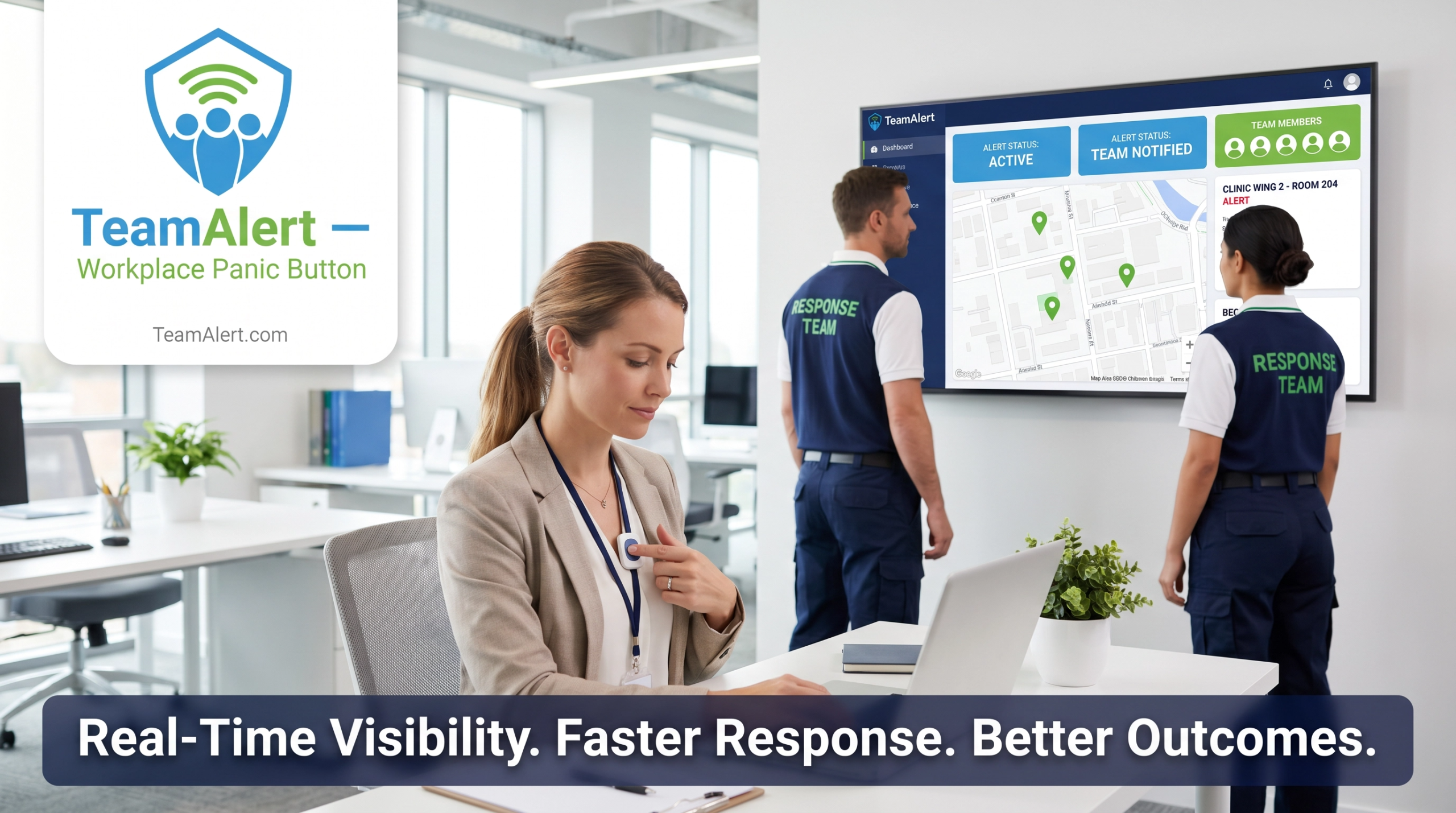
Psychological Safety Meets Physical Safety: Why You Need Both
Workplace safety is no longer just about locks, cameras, emergency exits, and written policies. Those things still matter. But today, workplace safety also depends on people: how they feel, how they communicate, and how quickly they can get help when a situation becomes unsafe. That is why more organizations are paying attention to the connection […]
Read More
Workplace Safety Technology Trends 2026: Speed and Simplicity Matter
Workplace safety technology is evolving rapidly. What was considered advanced just a few years ago is now becoming the baseline. In 2026, organizations are no longer looking only for tools that record incidents, monitor activity, or create reports after something happens. They are prioritizing one thing above all else: Speed and simplicity in emergency response. […]
Read More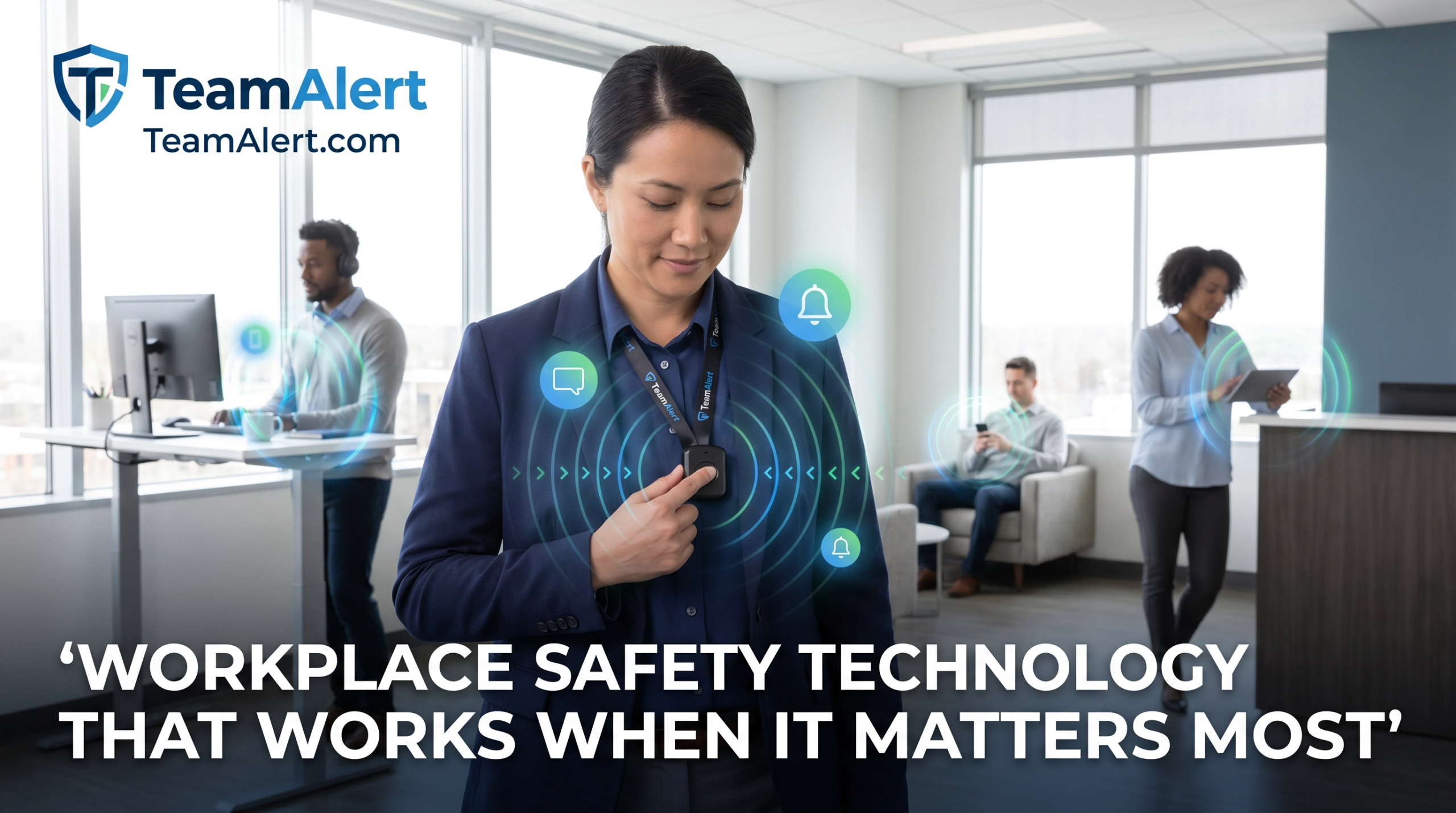
Why Incident Reporting Systems Fail During Real Emergencies
Most organizations have incident reporting systems in place. Employees are trained to document issues, submit reports, and escalate concerns through formal channels. That process matters. Documentation helps organizations track problems, improve policies, and support compliance. But during a real emergency, reporting alone is not enough. When someone is facing a threat, medical issue, aggressive behavior, […]
Read More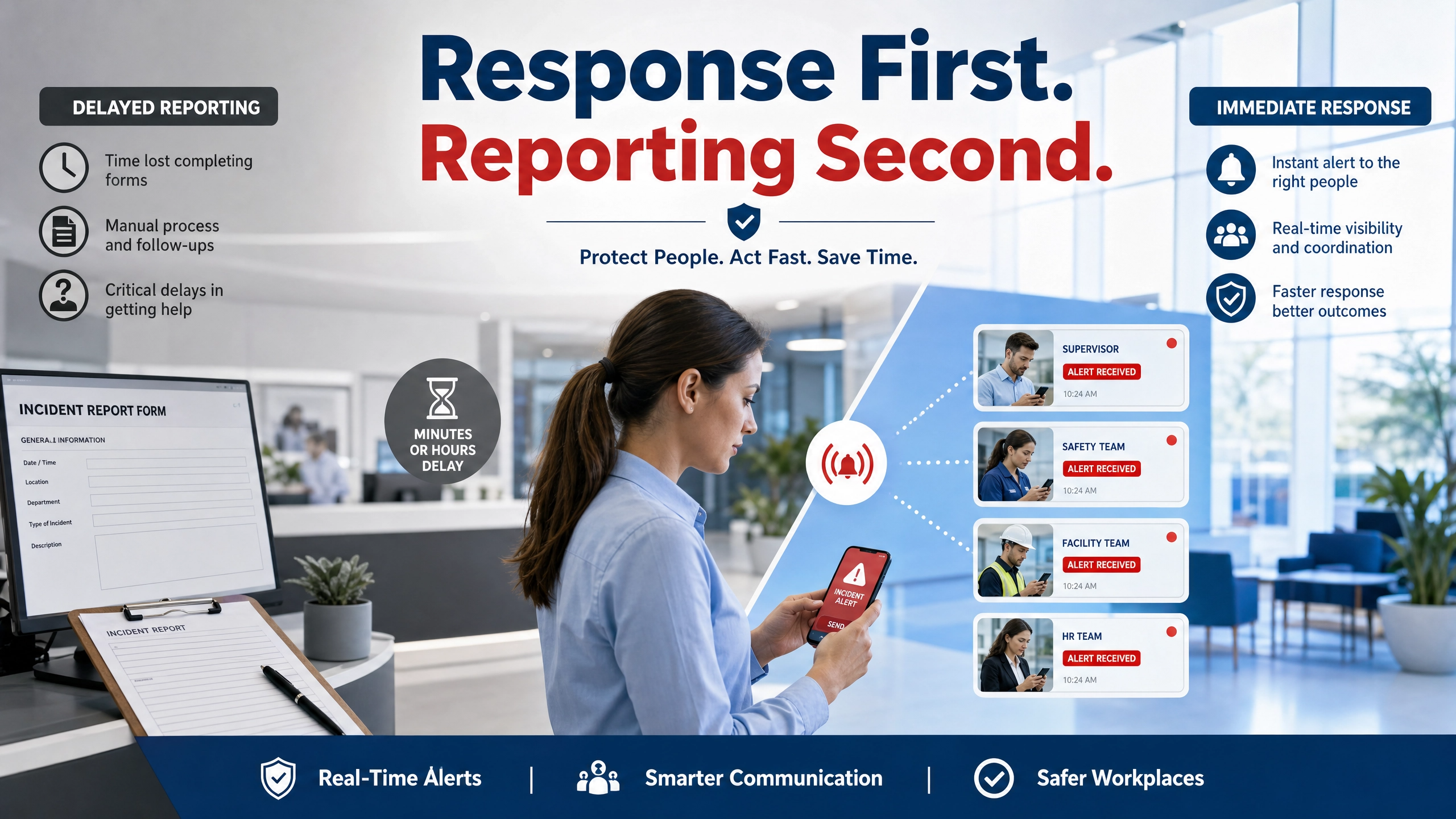
Emergency Response Systems Support Workplace Safety
Strong leadership is essential to workplace safety. Leaders set expectations, promote accountability, and build a culture where employees are encouraged to report concerns and follow procedures. But during a real emergency, leadership alone is not enough. Emergency response systems help turn safety expectations into fast, consistent action when seconds matter. Emergency response systems help employees […]
Read MoreEmergency Response Time: Why the First 60 Seconds Matter
Emergency response time can determine how quickly an organization moves from confusion to action. In any emergency, the first 60 seconds are often the most critical because what happens—or does not happen—during that first minute can influence everything that follows. Confusion can spread quickly. Decisions have to be made fast. The right people need to […]
Read MoreWorkplace Violence Prevention: Why Immediate Response Matters
Workplace violence prevention has been a major focus for years. Many organizations now have training programs, workplace safety policies, reporting procedures, and de-escalation plans in place. That is a good thing. But it is not enough. The uncomfortable truth is this: prevention alone cannot stop every incident. Employees can be trained. Policies can be written. […]
Read More