In workplace emergencies, lack of visibility creates confusion.
And confusion delays response.
One of the biggest challenges organizations face during an incident is simple:
Not knowing what is happening in real time.
When leaders, security teams, supervisors, and employees do not have a clear view of the situation, response becomes slower, less coordinated, and more stressful for everyone involved.
What Emergency Visibility Means
Emergency visibility means responders can quickly understand the key details of an incident as it unfolds.
That includes:
- What happened
- Where it happened
- Who needs help
- Who has been notified
- What actions are already underway
Without that information, teams are forced to guess.
And during a workplace emergency, guessing costs time.
According to OSHA, proper emergency planning helps employers and workers know how to respond when immediate action is necessary.
https://www.osha.gov/emergency-preparedness/getting-started
But even the best plan becomes harder to execute when people do not have real-time information.
Why Lack of Visibility Creates Delays
During an emergency, people need clarity fast.
When visibility is limited, several problems happen at once:
- Response teams may not know where help is needed
- Multiple people may contact different departments
- Leadership may receive incomplete or conflicting updates
- Employees may not know whether help is already on the way
- Critical information may get lost across separate communication channels
The result is a fragmented response.
Instead of moving together, teams react independently.
That slows down coordination and can allow the situation to escalate.
Why Traditional Communication Creates Blind Spots
Many workplaces still rely on traditional communication tools during emergencies.
Common methods include:
- Phone calls
- Emails
- Text messages
- Messaging apps
- Verbal updates
These tools may work for normal business communication, but they often create blind spots during urgent situations.
Here is the issue:
They do not create one shared view of the emergency.
Example Scenario
An incident occurs inside a workplace.
One employee texts a manager.
Another person calls security.
Someone else emails leadership.
A supervisor walks down the hall to find help.
Now, information is scattered across multiple people and multiple channels.
No one has a complete picture.
That lack of visibility creates confusion at the exact moment when the organization needs clarity.
How Real-Time Alert Systems Improve Emergency Visibility
Real-time alert systems help solve this problem by centralizing emergency communication.
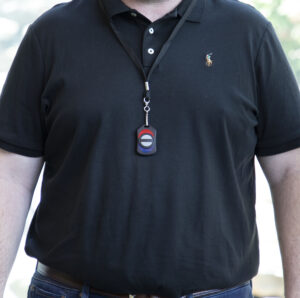
Solutions like TeamAlert help organizations notify the right people quickly and keep response communication in one place.
Instead of relying on scattered calls, texts, or emails, a real-time alert system helps create a more organized response.
What Improves With Real-Time Visibility?
1. Immediate Situational Awareness
Responders can see that an alert has been triggered and understand where attention is needed.
2. Shared Information
Teams are not working from different versions of the situation. Everyone can operate from the same core information.
3. Faster Coordination
When the right people are notified quickly, they can act faster and reduce unnecessary delays.
4. Less Confusion
Centralized alerts help reduce duplicate efforts, missed messages, and conflicting communication.
5. More Confidence for Employees
Employees feel safer when they know there is a simple way to request help and alert others when something goes wrong.
Use Case: Visibility Changes the Response
Consider the same workplace incident with two different response processes.
Without Emergency Visibility
- Employees contact different people
- Managers receive incomplete updates
- Security may not know the exact location
- Leadership is unsure who is responding
- The situation feels chaotic
In this situation, people may be trying to help, but the response is not unified.
With a Centralized Alert System
- An alert is triggered immediately
- The right response team is notified
- Incident details are shared quickly
- Teams coordinate from the same information
- Response becomes faster and more organized
The difference is not just technology.
The difference is clarity.
Why Visibility Helps Reduce Escalation
Ready.gov notes that the actions taken in the initial minutes of an emergency are critical and that prompt action and warnings can help protect people and property.
https://www.ready.gov/business/emergency-plans/emergency-response-plan
That matters because emergencies rarely wait for perfect communication.
The faster responders understand what is happening, the faster they can act.
Emergency visibility helps reduce escalation by improving three things:
- Speed: Alerts reach the right people faster
- Clarity: Teams understand what is happening
- Coordination: Response efforts are organized instead of scattered
When people can see what is happening in real time, they can make better decisions.
And better decisions lead to better outcomes.
Emergency Visibility Supports Stronger Safety Leadership
Leaders are responsible for creating a safe workplace.
But leadership cannot respond effectively to information it does not have.
Emergency visibility gives leadership and response teams a clearer picture of what is happening, where help is needed, and how quickly the organization is responding.
That visibility helps leaders:
- Act with confidence
- Support employees faster
- Reduce communication breakdowns
- Improve emergency response planning
- Identify gaps after an incident
A strong safety culture is not built only on policies.
It is built on the ability to act when it matters.
Final Thought: You Cannot Respond Effectively to What You Cannot See
In emergencies, information drives action.
If teams do not know what is happening, response slows.
If communication is fragmented, confusion grows.
If visibility is limited, employees may be left waiting when they need help most.
Real-time alert systems help close that gap.
They give organizations a faster, clearer, and more coordinated way to respond when workplace incidents occur.
Because when every second matters, visibility is not optional.
It is part of protecting your people.
Ready to Improve Emergency Visibility in Your Workplace?
TeamAlert helps organizations improve workplace emergency communication with fast, simple, real-time alerts.
Learn more or start a free trial today:
https://manage.teamalert.com/signup/